
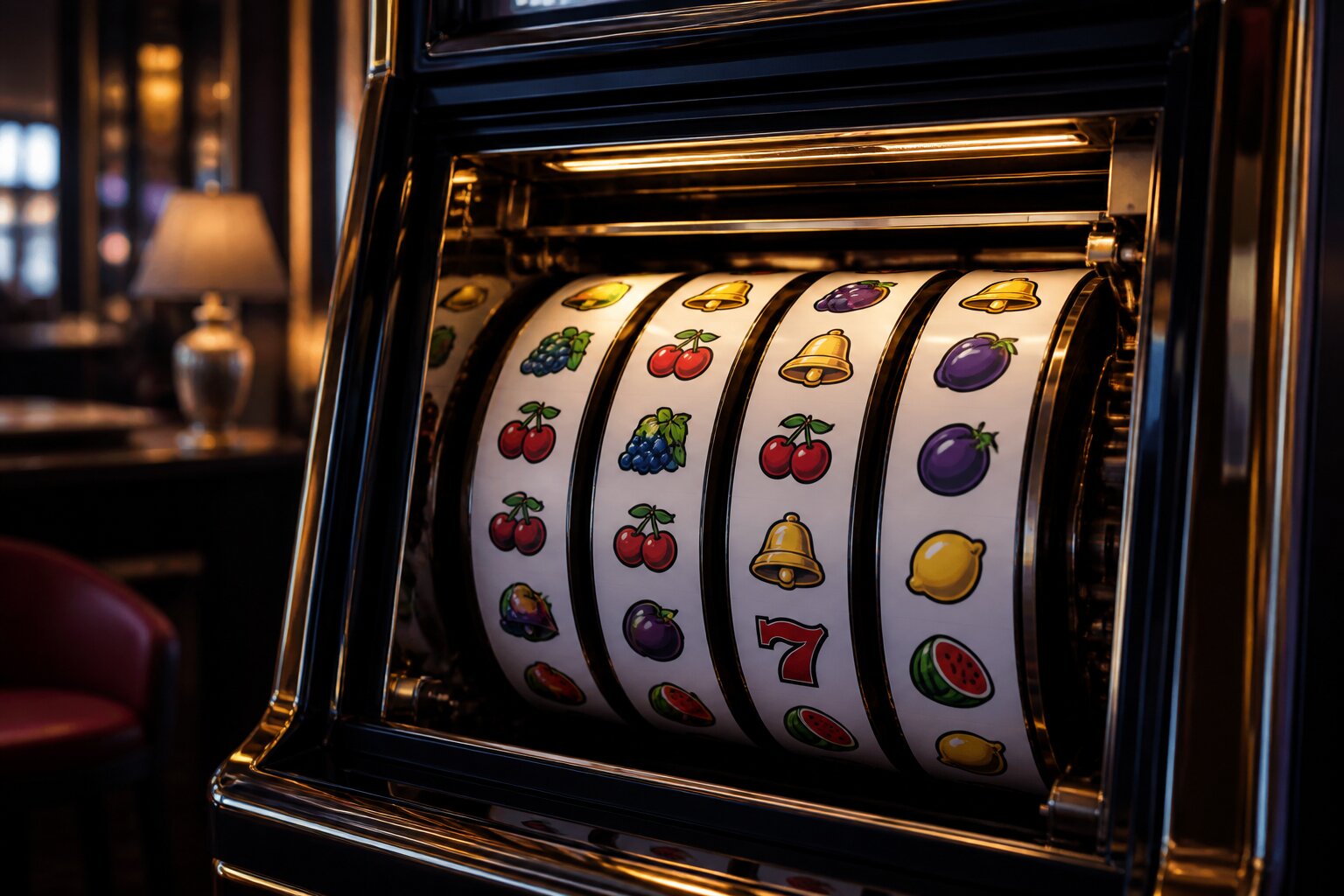
Ever wondered why your favourite slot games look so different from each other? Or why some reels spin with lots of varied icons while others feel simpler?
Whether you’re new to slots or curious about how they work, knowing about reel symbols is a useful place to start. The number and type of symbols on each reel shapes how a game plays and how its payouts are arranged.
Read on to discover what those symbols do, how they’re arranged, and what that means for the game experience.
What Types of Symbols Appear on Slot Reels?
Slot reels use several kinds of symbols, each with a clear role in how the game behaves. These symbols work together to shape the rhythm of play, the frequency of wins and the variety of possible outcomes.
Below are the main types you’ll encounter and what they do.
Standard Symbols
These are the backbone of any slot. They are themed to match the game and make up most reel positions, so you will see them more often than other icons.
Standard symbols usually come in tiers of value — low, medium and high — and their relative frequency on the reels helps determine how often particular payouts appear. Lower-value symbols tend to appear more often and pay smaller amounts, while higher-value symbols are rarer and pay larger amounts when they land in winning combinations.
Wild Symbols
Wilds stand in for other standard symbols to help complete winning combinations. They usually cannot replace scatters or special bonus icons, so their substituting power is limited to standard symbols.
Some games add extra features to wilds. Examples include wilds that expand to cover a whole reel, sticky wilds that remain in place for several spins, or wilds that carry multipliers when they form part of a win. These extras increase variety but do not change the fact that outcomes are determined by the game’s rules and random mechanism.
Scatter Symbols
Scatters pay out or trigger features when a required number appear anywhere on the reels, so they do not need to line up on a payline. Because they can land in any position, scatters are useful for unlocking features without needing a specific alignment.
Scatter-triggered features often include free spins or other round types, and the number needed to trigger them varies from game to game. The details of how many scatters are required and what the feature delivers are normally explained in the game’s paytable.
Bonus Symbols
These unlock special rounds or mini-games when enough land during a spin. Bonus rounds typically diverge from the base game and can offer different rules, extra picks or interactive mechanics.
The bonus content can change the core gameplay, offering different mechanics and opportunities for bigger payouts within the same slot. The frequency and nature of these bonus rounds are set by the game design and should be described in the slot’s rules.
Multiplier Symbols
When part of a winning combination, multiplier symbols multiply the payout by a fixed factor. They can appear as standalone symbols, be attached to wilds or be part of specific bonus features.
Some games show a visible multiplier value on the symbol, while others increase a running multiplier during a sequence of wins. Multipliers raise the potential size of wins but do not guarantee them, as any payout still depends on the symbols that land and the game’s random mechanism.
Each symbol type is built into the game’s structure to create variety and distinct play patterns without promising specific outcomes. The behaviour, frequency and effects of these symbols are defined by the game rules and paytables.
How Do Classic and Modern Slot Machines Differ in Symbol Count?
Classic machines, often with three reels, tend to keep the symbol set small and straightforward — think fruit, bars and simple numbers. Each reel typically holds a modest number of symbols, which keeps combinations easy to follow.
Modern online slots use software rather than physical reels, so they can include more reels and a larger, more varied set of symbols. It’s common for contemporary games to feature five or more reels and dozens of unique symbols, including animations and feature icons. This expanded palette allows developers to craft complex themes and layered features while still maintaining clear paytables for players.
Despite these differences in presentation and variety, both classic and modern designs follow the same principles: the symbol set and their frequencies are defined by the game and govern how payouts are formed.
What Determines the Number of Symbols Per Reel?
Several design choices shape how many symbols appear on a reel. The theme and artwork dictate how many distinct icons are needed, while the intended frequency of wins influences how often each symbol is repeated across the reel positions.
Developers assign symbol counts and positions during production, and those settings are fixed once the game is released. Software handles the mapping of reel positions to outcomes, so a reel that looks short may in fact be mapped to many virtual positions behind the scenes.
These design decisions aim to balance excitement, variety and clarity so that a game plays in line with its concept and advertised payouts.
How Do Virtual Reels Impact Symbol Variety?
Virtual reels remove the constraints of physical hardware. Instead of a fixed strip of images, virtual reels use a list of possible outcomes that the software draws from. That lets designers include many more unique symbols and arrange probabilities in ways that would be hard to achieve with mechanical reels.
Because a single visual stop can represent multiple virtual positions, the number of possible symbol outcomes can be far greater than the number you see at a glance. This supports more elaborate features and rarer high-value symbols while keeping the on-screen action readable and engaging.
Behind the scenes, outcomes are determined by certified random number generation, and the virtual-reel structure simply provides the framework for how often each symbol can appear.
What Are Paylines and How Do They Relate to Symbols?
Paylines are the patterns across the reels where matching symbols must land to create a win. They can be straightforward horizontal lines or more intricate patterns that snake across the reels. A game may offer a single payline, several fixed paylines, or systems that produce hundreds or thousands of ways to win by considering adjacent symbol matches rather than fixed lines.
The payline setup determines which symbol alignments pay out and how the paytable applies to those alignments. Adding more paylines or ways to win increases the number of combinations that can result in a payout, but it does not change the underlying probabilities for each symbol appearing on a given spin.
If you want to understand how a particular game pays, the paytable shows the active paylines and the payouts for each symbol combination.
Common Myths About Slot Symbol Arrangements
There are a few persistent myths around symbol arrangements that are worth clearing up. One is the idea that machines “take turns” paying out or that a game becomes “due” for a win after a dry spell. In reality, each spin is independent, and earlier spins do not affect later outcomes.
Another common belief is that timing or a particular play method can influence how symbols land. Games are governed by certified systems that ensure each spin is drawn independently from the configured distribution of symbol positions, so timing or pattern-seeking won’t change results.
Understanding these facts helps set realistic expectations about what symbol arrangements mean for play.
Why Are Symbols Important for Slot Payouts?
Symbols and the paytable together define a slot’s payout structure. The paytable lists how much each combination pays, and it reflects how often each symbol appears on the reels. Rare symbols typically award higher payouts, while frequent symbols pay less but show up more often.
Designers combine symbol frequency, reel mapping and payline structure to produce a target payout profile for the game. This profile is expressed as a long-term return figure and is part of the information that testing labs and regulators check during certification.
If you want to compare games, look at the paytable to see which symbols are most valuable and how bonus features align with those values.
Play responsibly by setting limits that suit your circumstances; treat slots as entertainment and only spend what you can afford. With that in mind, the variety of symbols and reel designs is part of what makes exploring different slots interesting — now you can read the reels with a clearer idea of how they’re put together and what to expect from each game.
**The information provided in this blog is intended for educational purposes and should not be construed as betting advice or a guarantee of success. Always gamble responsibly.