
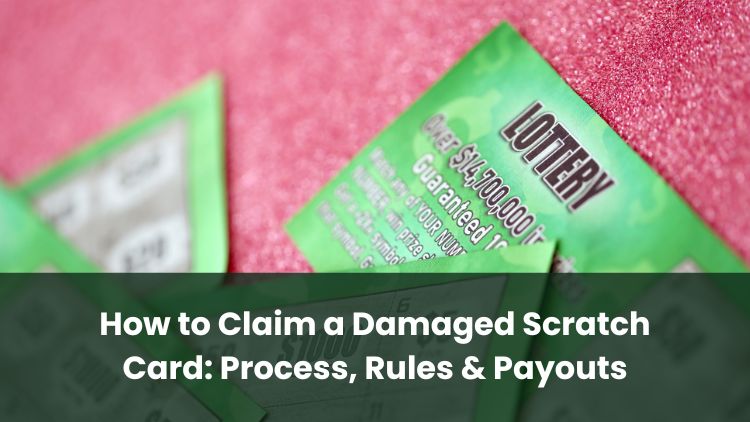
Discovering a damaged scratch card, especially one that could be a winner, can leave you unsure what to do next. The good news is that there are clear processes for handling these claims.
This guide explains what counts as damage, the evidence operators usually ask for, and how to report your card. You will also see how verification works, what payouts look like, and how long the process might take.
We also cover payout limits, how operators handle cards that look tampered with, and what happens with small prizes. Everything here focuses on using official channels so any valid claim can be reviewed properly.
Read on to learn more.
What Counts As A Damaged Scratch Card?
A damaged scratch card is one that has been altered or marked in a way that affects its readability or security. This might include tears, water damage, or missing sections. Cards with the scratch-off panel removed in a way that leaves the numbers or symbols unclear may also be treated as damaged.
Damage to the barcode or serial number is particularly important, as these details are used to confirm whether a prize is valid. If either cannot be read, the operator may not be able to process a claim.
Minor issues, like light creases or small scuffs, do not always mean a card is officially classed as damaged. The key question is whether the operator can still check the information needed to verify a prize.
It helps to store cards flat and dry, away from heat and liquids, so any potential claim can be checked without delays.
How Can You Verify A Prize If The Scratch Area Is Partially Destroyed?
Once you know what counts as damage, the next step is working out whether the remaining parts of the card are enough to verify a claim.
If parts of the play area are missing or unclear, verification usually relies on what can still be read. Operators look for specific details such as symbols, validation codes, serial numbers, or barcodes. If those identifiers are intact, they may be able to scan or manually confirm the result.
If too much information is missing, the operator might not be able to validate the prize. Policies do vary between operators, so outcomes are not identical in every case.
If you are unsure, contact the operator and follow their claims process. They can confirm whether the visible information is likely to be enough.
How To Report A Damaged Scratch Card To The Operator
To report a damaged scratch card, start with the contact details on the back of the card or on the operator’s website. Most provide a customer service phone line, an email address, or an online form.
Explain what happened and include helpful details such as the game name and any visible serial number. Clear photos of the front and back of the card make it easier for the operator to review your claim and advise on the next steps.
If the operator needs the physical card, they will confirm how and where to send it and what to include with it. Keeping communication polite and factual usually helps things move along.
What Documents And Evidence Will You Need For A Claim?
The original card is the main piece of evidence, even if it is torn or in separate pieces. Keep all parts together.
Operators often ask for clear photographs of both sides of the card, showing any readable serial numbers, barcodes, or symbols. These images help them judge the state of the card and whether a prize can be validated.
You may also be asked for proof of purchase, such as a shop receipt, if you still have it. Basic contact details are needed, and some operators may request ID for higher-value claims to complete standard verification checks.
Providing exactly what is requested, in the format asked for, helps avoid back-and-forth and speeds up the review.
Where Do You Submit A Damaged Scratch Card Claim?
Claims are usually submitted directly to the operator. Their website and the back of the card set out how to get in touch and where to send items.
Some operators will review emailed photos first, although the original card is almost always required for final processing. When sending anything by post, follow the instructions carefully and keep a copy of any reference number or email confirmation.
Retailers typically cannot handle damaged-card claims, so going straight to the operator is the standard route.
What Is The Verification And Payout Process For Damaged Cards?
Verification starts once the operator receives your card and any requested documents. Specialists examine the physical card and check key identifiers such as serial numbers and barcodes against their systems. If enough information is present and the card is genuine, they will validate any prize.
When a prize is confirmed, payouts are usually made by cheque or bank transfer, in line with the operator’s terms. You will be told what information is needed to arrange payment.
If a card is too damaged to verify, or if there are signs of interference, the operator may run additional checks. In some cases, a claim can be refused if the rules have not been followed or essential details are missing. You should be informed of the decision and, where possible, the reason.
How Long Will A Damaged Scratch Card Claim Take?
Timeframes vary. Straightforward claims are often reviewed within a few weeks, but heavily damaged cards or those needing extra checks can take longer. Timings can also depend on the number of claims being handled at the time.
Operators usually publish typical processing windows on their websites or forms. It is sensible to note any claim reference number and check for updates only through the official contact points. A polite follow-up after the stated timeline can help if you have not heard back.
Are There Payout Limits Or Other Payment Rules?
Most operators set clear payout limits and rules for how prizes are paid. These are usually detailed in the game’s terms and on the operator’s site.
Smaller prizes are often paid at retailers up to a set in-store limit, while higher amounts are paid directly by the operator and may require extra verification. For larger prizes, payment is typically made by cheque or bank transfer after identity checks.
Claim deadlines are common. If a prize is not claimed within the stated period, it can expire. Always check the rules printed on the card or listed online so you know the limits, documents and timeframes that apply to your claim.
What Happens If The Card Appears Tampered Or Fraudulent?
Scratch cards that appear altered or do not meet authenticity checks are handled more cautiously by operators. Understanding how these situations are reviewed can help set expectations.
Investigation
When a card looks tampered with, the operator may carry out a detailed investigation. This involves checking the condition of the card, reviewing built-in security features, and matching serial data against official records. Their fraud or security team may be involved if concerns are raised.
You might be asked for extra information or documents. These claims often take longer than standard ones because of the additional checks required.
Possible Outcomes
If the investigation confirms the card is genuine and any damage appears accidental, payment is made according to the normal rules. If there is evidence of tampering or fraud, the operator can refuse the claim and take any steps required under their policies and the law.
Keep original documents and only use authorised contact channels to avoid delays or confusion.
Can Small Prizes Be Claimed At A Retailer?
Small prizes can often be paid by the retailer that sold the card, up to the amount that store is allowed to handle. The in-store limit is usually shown on the card or at the till. For prizes above that limit, claims are handled by the operator.
If a card is damaged, retailers may not be able to pay it out, as operators usually need to run extra checks. In that case, follow the official claims process and send the card to the operator if asked.
If you choose to buy scratch cards, set personal limits that suit your circumstances and never spend more than you can afford to lose. Take breaks, keep play occasional, and seek support early if spending or mood begins to change. Free, confidential help is available from organisations such as GamCare and GambleAware.
If you ever have a damaged card, use the operator’s official claims route so your case can be assessed correctly.
**The information provided in this blog is intended for educational purposes and should not be construed as betting advice or a guarantee of success. Always gamble responsibly.