
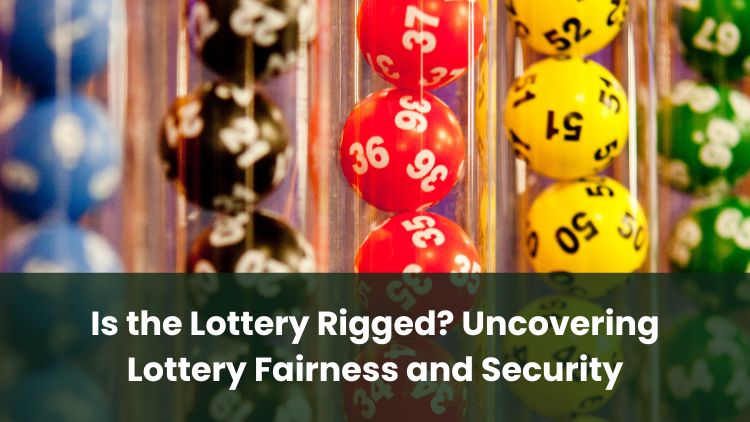
Many people wonder whether the lottery is truly random or if something else could be going on behind the scenes. Stories about unusual wins or system glitches can raise questions about how fair and secure the process really is.
This guide looks at how the lottery is run in the UK, how numbers are drawn, and the security steps in place. It also explains the role of independent testing, whether technology could be compromised, and how winners are verified and paid.
You will also find clear advice on spotting lottery fraud and a calm look at common myths about rigging, so you can understand the facts without the noise.
Is The Lottery Rigged In The UK?
The National Lottery is regulated to strict standards so that draws are fair and funds are handled properly. The Gambling Commission licenses and oversees operators, sets rules for how draws are conducted, and can take action if those rules are not followed.
Draw procedures are designed to prevent interference. Equipment and software are tested by independent experts, documented before and after use, and stored securely between draws. This level of control makes it extremely difficult for anyone to influence outcomes.
There are also clear routes for raising concerns. Complaints are assessed by the operator and can be escalated to the regulator, with investigations carried out where needed.
So, how are the numbers actually chosen on draw night?
How Are Lottery Numbers Drawn?
In the UK, lottery numbers are produced using either mechanical ball machines or certified random number generators.
Mechanical machines use sets of numbered balls that are weighed and tested for consistency. Before a draw, a ball set and draw machine are selected at random from a pool, sealed, and logged. Air jets or paddles mix the balls, and numbers are released and recorded using official equipment. Independent witnesses oversee the process, and draws are often filmed or broadcast.
Some games use computer-based random number generators instead. These systems are designed to produce results without patterns and are tested by accredited laboratories for statistical randomness, security, and correct implementation. Access is restricted, logs are kept, and software is kept under change control so it cannot be altered without proper approvals and records.
Security around the draw starts long before the numbers are produced, which brings us to the measures used behind the scenes.
What Security Measures Do Lottery Operators Use?
Operators follow detailed security frameworks that cover people, premises, processes, and technology. Draw machines, balls, and critical components are kept in controlled storage with restricted access, tamper-evident seals, and comprehensive CCTV coverage. Chain-of-custody records track where items are and who has handled them. Tasks are separated so no single person controls every stage.
Staff are vetted and trained to follow strict procedures, including two-person access rules, sign-offs, and incident reporting. On the technology side, systems are protected with encryption, strong access controls, and network segregation. Regular vulnerability assessments and external penetration tests check that defences are working as intended.
During each draw, independent observers verify that documented procedures are followed. Any irregularity must be logged and investigated, and draws can be paused or re-run if necessary.
Of course, protections only matter if someone checks that they work.
Independent Testing And Auditing Explained
Independent testing and auditing provide an extra layer of assurance. Specialist firms that are separate from the operator test draw machines, ball sets, and RNG software. They assess randomness, confirm equipment is calibrated, and review processes such as storage, selection, and record-keeping.
Auditors examine logs, change controls, and security measures, and they sample draws to look for anomalies. Where issues are identified, corrective actions are required and followed up. Findings are reported to the regulator so there is formal oversight beyond the operator’s own checks.
That often leads to a related concern: could someone still hack the system?
Can Lottery Software Or Machines Be Hacked?
Both mechanical and digital systems are designed to make tampering extremely difficult. RNG environments are tightly controlled, often isolated from external networks, and protected by multi-factor access, code signing, and comprehensive logging. Software updates follow a documented process with independent verification, and checksums ensure the approved version is the one in use.
Mechanical machines rely on sealed components, secure storage, and documented handling. Ball sets are tested for weight and size, chosen at random before each draw, and accounted for afterwards. Independent testers inspect equipment and procedures on a regular schedule.
No system is opened to live use without these safeguards, and monitoring continues during and after each draw. Attempting to alter the outcome would require bypassing multiple controls across separate teams and systems, which is why such attempts are rare and detectable.
Once the draw is complete, attention turns to verifying any winning claims.
How Are Lottery Winners Verified And Paid?
When someone claims a prize, the operator checks both the person and the entry. Retail tickets are scanned to confirm the barcode matches a valid winning entry and that the claim is within the allowed time. Online wins appear in the player’s account, where identity checks apply.
Higher-value prizes involve more detailed verification. The original ticket is examined for security features, and the claimant’s identity and eligibility are confirmed in line with anti-money laundering rules. For very large wins, a meeting is arranged to go through the process, outline payment options, and discuss privacy preferences.
Payments are made once the claim is verified. Smaller amounts can be paid at retailers or credited to an online account, while larger prizes are typically paid by bank transfer. Winners can choose whether to take part in publicity and may be offered independent financial guidance, though the choice remains theirs.
Knowing the official process also makes it easier to spot scams.
What Should I Do If I Suspect Lottery Fraud?
Genuine operators do not ask for fees to release prizes or request banking details by email, text, or phone. If a message claims a win you did not enter, urges immediate action, or asks for sensitive information, treat it with caution and do not engage.
Report suspected fraud to Action Fraud, the UK’s national reporting centre for fraud and cyber crime. Keep any emails, phone numbers, or documents, as these details can help an investigation. You can also contact the official lottery operator using the contact information published on their website to confirm whether a communication is genuine. If you have shared personal or payment details, inform your bank and seek further advice from the relevant authorities.
Common Myths About Lottery Rigging Debunked
Myth: The same people win repeatedly because the system is biased. In reality, draws use random methods overseen by independent observers. With millions of entries, it is not unusual to see coincidences over time, but that does not indicate bias.
Myth: Certain numbers or ticket locations are favoured. All eligible entries have the same chance of selection. Procedures for mixing balls, choosing ball sets, or generating numbers are designed to avoid patterns, and they are checked by external testers.
Myth: Staff can influence the result. Duties are separated, equipment is sealed, and draws are observed by independent witnesses. Logs and audits create a trail that would expose interference.
Myth: Large jackpots are sometimes withheld. There are published rules for declaring winners, strict checks to verify claims, and transparent payment processes monitored by the regulator.
If you choose to play, set sensible limits and only spend what you can afford. Help is available if gambling starts to feel difficult to manage; organisations such as GamCare and GambleAware offer free, confidential support.
With rules, oversight, and independent checks in place, the UK lottery is built to be fair, and decisions about taking part are best made with clear information and care for your circumstances.
**The information provided in this blog is intended for educational purposes and should not be construed as betting advice or a guarantee of success. Always gamble responsibly.