
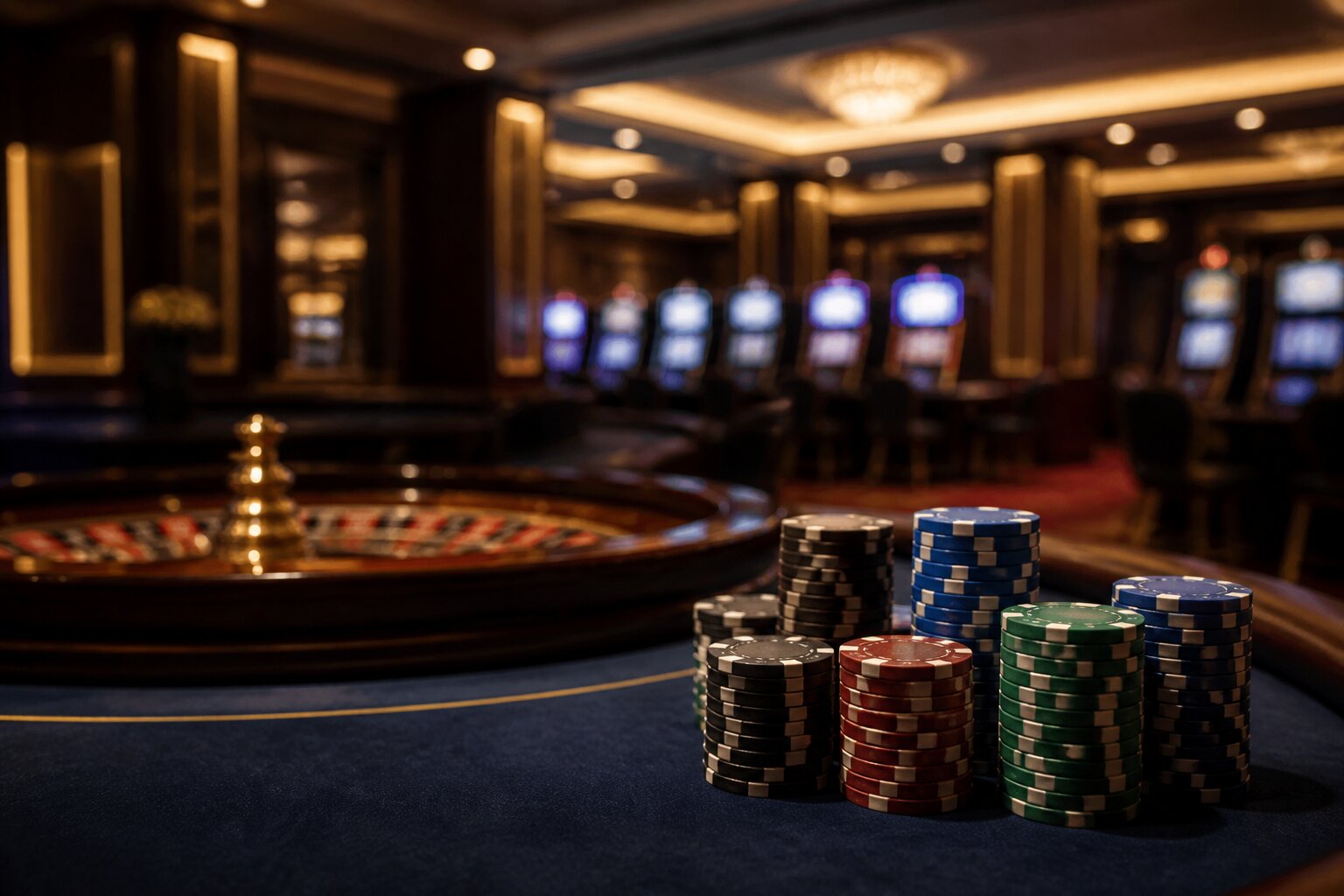
Ever wondered why casinos seem to exist in their own world, free from clocks and windows? You are not alone — it is a common question from first-time visitors.
The absence of windows is just one of many deliberate design choices. From lighting to layout, these choices shape how the space feels and how people move through it.
Read on to uncover the reasons behind windowless floors and the wider principles that guide casino design.
Why Are Windows Rare in Casinos?
Windows are often left out of casino gaming floors for practical reasons. Without exterior views, operators can keep lighting and temperature consistent, which helps create a stable, controlled interior environment. That consistency makes spaces feel comfortable at any hour.
Removing windows also reduces outside distractions. When there is no visible daylight or street activity, guests find it easier to focus on the games and the atmosphere inside. This is not about changing game outcomes. The fairness and odds of games are set by regulation and remain the same regardless of interior design.
In short, the choice to exclude windows is about shaping the visitor experience — keeping conditions steady, comfortable and distraction free.
The Psychology Behind Windowless Casino Designs
Design choices influence behaviour and mood. A windowless space can make the casino feel like a separate environment, encouraging immersion in the activity at hand. That immersive quality helps some visitors settle in and concentrate on socialising or playing.
By limiting external cues, designers can reduce interruptions from the outside world. This inward focus supports an experience where people spend more time exploring the venue and engaging with others. The effect is atmospheric rather than manipulative; it is intended to enhance enjoyment, not to alter outcomes or fairness.
A practical measure for visitors is to be aware of time and spending. Simple steps such as checking a watch or phone at intervals help maintain control while taking advantage of a pleasant environment.
How Do Casinos Influence Player Behaviour?
Every element on the casino floor is chosen with behaviour in mind. Lighting levels, music volume and seating comfort contribute to a welcoming environment that encourages movement, conversation and longer visits. Flooring patterns and sightlines are used to nudge people from one area to another so they discover a variety of games and amenities.
These features can make the experience feel more social and exploratory than solitary. Though the surroundings can encourage extended visits, they do not determine how someone chooses to play or how much to spend. Personal limits and awareness remain the deciding factors in safe enjoyment.
If the atmosphere starts to feel overwhelming or preferences change, it is sensible to step away for a while or move to a different part of the venue.
Lighting, Atmosphere & Time Perception in Casinos
Lighting and sound are powerful tools for shaping perception. Casinos use consistent, often flattering lighting alongside ambient music to create a steady sense of energy without sudden contrasts. The result is an environment that feels lively but not jarring, encouraging guests to remain engaged for longer periods.
Many gaming floors also lack obvious markers of time, such as windows or visible clocks. Because these elements do not change with the time of day, visitors can underestimate how long they have been on the floor. This effect is reinforced by careful design of sightlines and the placement of attractions to minimise reminders of the outside world.
Temperature control and comfortable seating add to this steady sensory environment. These features make it physically easy to stay for extended periods and contribute to a relaxed frame of mind that many guests find enjoyable.
To stay oriented, try simple strategies that keep your visit within your own limits:
- Check the time periodically using your watch or phone.
- Plan a time limit before you arrive and set an alarm to remind yourself to leave.
Keeping to predetermined limits and taking regular breaks helps maintain control over how long you spend on the floor and supports responsible play.
Are There Any Hidden Benefits for Players?
Beyond atmosphere, casinos can offer genuine comforts that make visits more enjoyable. These include physical features and services designed to help guests feel at ease and to navigate the venue with minimal fuss.
Common practical comforts include:
- Controlled lighting to reduce glare and eye strain.
- Ergonomic seating that supports longer periods of sitting.
- Clear signage to help visitors find games, facilities and exits.
- Accessible facilities for guests with mobility or sensory needs.
Many venues also incorporate social spaces and layouts that encourage conversation and meeting others. These areas can provide a pleasant change from everyday routines and offer a casual environment for socialising with friends or meeting new people.
Other practical services often found at casinos include helpful customer service, clean restrooms, cloakrooms, refreshments and quiet zones or lounges. These features are about convenience and comfort rather than any advantage in play.
These benefits are practical rather than advantageous in the sense of gameplay. Design choices aim to improve comfort, accessibility and the overall visitor experience, not to influence game fairness or outcomes.
Do Modern Casinos Still Avoid Windows?
Not always. Contemporary casinos, particularly those in resorts or scenic locations, increasingly incorporate natural light and outward views where they add value. Large windows that frame beaches, mountains or cityscapes can lift the overall guest experience and make public areas feel more inviting, while the core gaming areas remain carefully designed.
Many gaming floors continue to favour limited external views to preserve a consistent interior environment and to help maintain atmosphere. This approach can aid wayfinding, keep sightlines uncluttered and reduce distractions for customers who come specifically to play.
What we see now is a variety of approaches, with operators balancing a number of considerations depending on location and audience. These often include:
- openness and connection to the surrounding environment
- the desired interior atmosphere and sense of immersion
- guest comfort, including temperature and glare control
- practical issues such as energy use and maintenance
- compliance with planning, licensing and safety requirements
Ultimately the choice about windows is driven by a mix of design goals and practicalities, and there is no single solution that fits every venue.
Myths and Misconceptions About Casino Architecture
There are several common misconceptions about casino design. These often come from dramatic portrayals in film or from misunderstandings about how venues operate.
Windowless or dim interiors somehow affect the fairness of games. In reality, regulated standards require games to be independently tested and certified to operate to published rules. Random number generators, mechanical systems and table procedures are audited by third parties and overseen by regulatory bodies, so design choices influence ambience and comfort rather than the odds on offer.
Layouts are deliberately confusing to trap visitors. While circulation, sightlines and focal points are designed to encourage exploration and a pleasant flow, venues typically provide clear signage and trained staff to help guests find their way. The primary aim for most designers and operators is to create a positive visit, promote safety and meet accessibility requirements, not to mislead patrons.
Where relevant, operators are also expected to display information about responsible gambling and how to seek help. This helps ensure that design choices sit alongside protections and consumer information rather than replacing them.
How Casino Design Differs Across the UK and the World
Design trends vary by region. In the UK, regulators place strong emphasis on player protection and clear information, and many venues reflect that through clearer sightlines, visible responsible gambling signage and accessible messaging. That focus often leads to layouts that make staff supervision easier and that ensure safety information is simple to find.
In destinations known for large-scale tourism, such as some international gaming hubs, designs may be more theatrical, with themed areas, dramatic lighting and bold visual statements that aim to create a memorable visitor experience. These venues often prioritise scale and spectacle, using architecture and décor to entertain as much as to serve functional needs.
Cultural expectations influence what guests find appealing. In some markets people prefer a social, relaxed environment where gaming areas sit alongside bars and lounges. In others visitors expect showmanship and spectacle, with live performances and highly stylised interiors.
Design elements that commonly vary include:
- sightlines and staff visibility
- signage and accessibility of information
- lighting levels and acoustic treatment
- degree of theming and decorative detail
- scale of public areas and entertainment offerings
Whatever the style, reputable venues operate within regulatory frameworks that prioritize safety and clear information for visitors. This includes offering visible responsible gambling resources, staff training in customer care and safeguards, and designs that consider accessibility for all guests. Such measures help balance atmosphere with the need to protect and inform patrons.
Final Thoughts: What Does the Future Hold for Casino Interiors?
Casino interiors will continue to evolve as technology, design thinking and guest preferences change. Expect more flexible layouts, selective use of natural light and integrated digital features that personalise the visit without compromising transparency or protection. The trend is toward welcoming spaces that work for a wider range of visitors while keeping core safety and fairness standards intact.
Design will remain a tool for improving comfort and experience. Choosing regulated venues and being mindful of your own limits will help ensure a positive visit. Whatever the changes ahead, sensible planning and awareness are the best ways to enjoy what casinos offer.
**The information provided in this blog is intended for educational purposes and should not be construed as betting advice or a guarantee of success. Always gamble responsibly.