
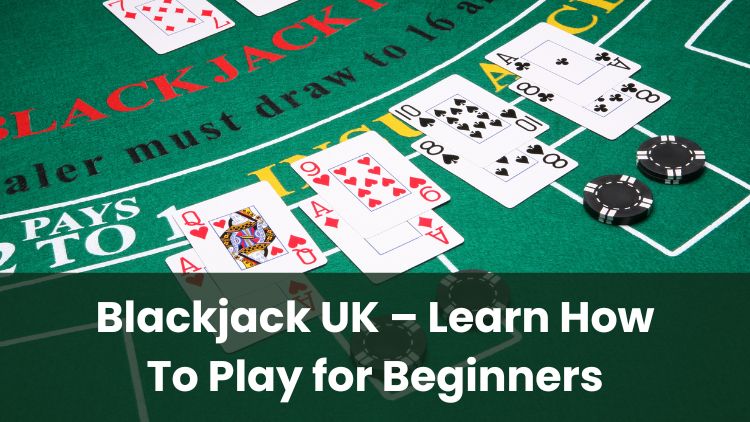
Blackjack is a well-known card game played in many UK casinos, both online and in person. At its core, the game is about adding up card values in your hand to reach a total as close to 21 as possible, without going over.
This guide takes you through the main points you may want to know about the most commonly played version found in the UK, which is often called British or European blackjack. You’ll find easy explanations of the basic rules, what different terms mean, and what you may want to look out for before getting started.
Understanding how the game works may help you enjoy it in a safer, more informed way. Outcomes are never guaranteed.
What Is Blackjack And How Does It Work In The UK?
In the UK, you will usually find the European or “British” version of blackjack, where the aim is to get a hand that totals 21, or as close as possible without going over.
At the start, each player is dealt two cards, and so is the dealer. In European blackjack, only one of the dealer’s cards is face up. The hidden card stays face down until players have made their decisions. On your turn, you can choose to hit (take another card) or stand (keep what you have). Some games also allow options like splitting a pair or doubling your stake under specific conditions. Once all players act, the dealer plays their hand and the result is settled.
Rules and features can differ between casinos and online tables, so checking the paytable and house rules helps you know exactly what to expect before you begin. With that foundation, it makes sense to look at how cards are counted.
What Are The Blackjack Card Values?
In UK blackjack, each card contributes to your total in a simple way.
Cards numbered 2 through 10 are worth their number. Picture cards, which include Jack, Queen and King, each count as 10. The Ace is flexible and can count as either 1 or 11, whichever keeps your total at 21 or below. For example, an Ace with a 7 is usually 18, but if adding 11 would push your total over 21, the Ace instead counts as 1.
If you are unsure of a total at a land-based table, you can ask the dealer. In online games, the hand value is normally shown on screen. Multiple decks may be used, but these values remain the same in traditional UK or European blackjack. Once that makes sense, it is easy to see why a natural blackjack matters.
What Is A Natural Blackjack?
A natural blackjack is an Ace plus any ten-point card (10, Jack, Queen or King) as your first two cards. It totals 21 and is the strongest two-card start in British or European blackjack.
In most UK games, a natural blackjack pays more than a standard win. Commonly, it pays 3:2 on your original stake. If both the player and dealer have a natural blackjack, the hand is a push and your stake is returned. You cannot predict when a natural blackjack appears, but you can know what it pays.
Blackjack Payouts And What 3 To 2 Means
The standard payout for a natural blackjack is often listed as “3 to 2”. This simply means a £10 stake would typically return £15 in winnings, plus your original £10 back, for a total of £25. By contrast, most other winning hands pay “1 to 1”, so a £10 stake wins £10.
Some tables offer different payouts, such as “6 to 5” for a natural blackjack, which would pay £12 on a £10 stake. Over time, these differences matter, so it is worth checking the paytable and rules for the exact potential returns on the game you are playing. However, blackjack involves chance and any winnings can never be guaranteed. With payouts covered, the next step is understanding the core rules that shape each hand.
Blackjack Rules Explained For Beginners
Blackjack, as played in most UK casinos, is straightforward once the basics are clear. Each round begins with two cards for you and two for the dealer, with only one of the dealer’s cards showing. You then decide whether to hit and take an extra card, or stand and keep your total. If you go over 21, you bust and lose that hand.
When all players finish, the dealer reveals the hidden card and completes their hand according to set house rules. Typically, the dealer must draw until reaching at least 17, then stop. If your final total is higher than the dealer’s without going over 21, you win. If both totals match, it is a push and your stake is returned.
Some tables allow additional choices. Doubling down lets you double your original stake in exchange for taking exactly one more card on that hand. Splitting is available when your first two cards have the same value, creating two separate hands for an extra stake equal to your first. The availability and conditions for these moves can vary, so it helps to read the table rules or on-screen information before you start. With the groundwork set, here is how a round typically unfolds in practice.
How Does A Typical Blackjack Round Play Out?
This section shows how a typical round of European or British blackjack tends to feel at the table or on your screen. Seeing the sequence in context can make the decisions clearer.
Placing Your Bet And Receiving Cards
Each round begins when you choose your stake and place it in the betting area, or select chips online. The dealer then deals two cards to each player and two to themselves. One dealer card is face up and the other stays hidden until the players have acted.
Player Turns And Available Actions
Players act in turn, starting from the dealer’s left. Your choices are straightforward, and which one fits depends on your current total and what is showing on the table.
- Hit: take another card to try to improve your total.
- Stand: stick with the total you have and end your turn.
- Double: double your original stake and take exactly one more card, usually only on your first two cards and subject to table rules.
- Split: if your first two cards have the same value, split them into two hands by placing an additional stake equal to your first.
If your total exceeds 21 at any point, you bust and that hand ends immediately.
Dealer Rules In UK Blackjack
After all players finish, the dealer reveals the hidden card and completes their hand using fixed rules. Most UK tables require the dealer to draw until they reach at least 17, then stand. The dealer does not make discretionary choices. If the dealer busts, any remaining player hands win. Otherwise, the higher total wins, and equal totals result in a push.
That is the flow in a nutshell. If you decide to play, set a clear budget, take breaks and remember that every hand is uncertain.
*All values (Bet Levels, Maximum Wins etc.) mentioned in relation to these games are subject to change at any time. Game features mentioned may not be available in some jurisdictions.
**The information provided in this blog is intended for educational purposes and should not be construed as betting advice or a guarantee of success. Always gamble responsibly.