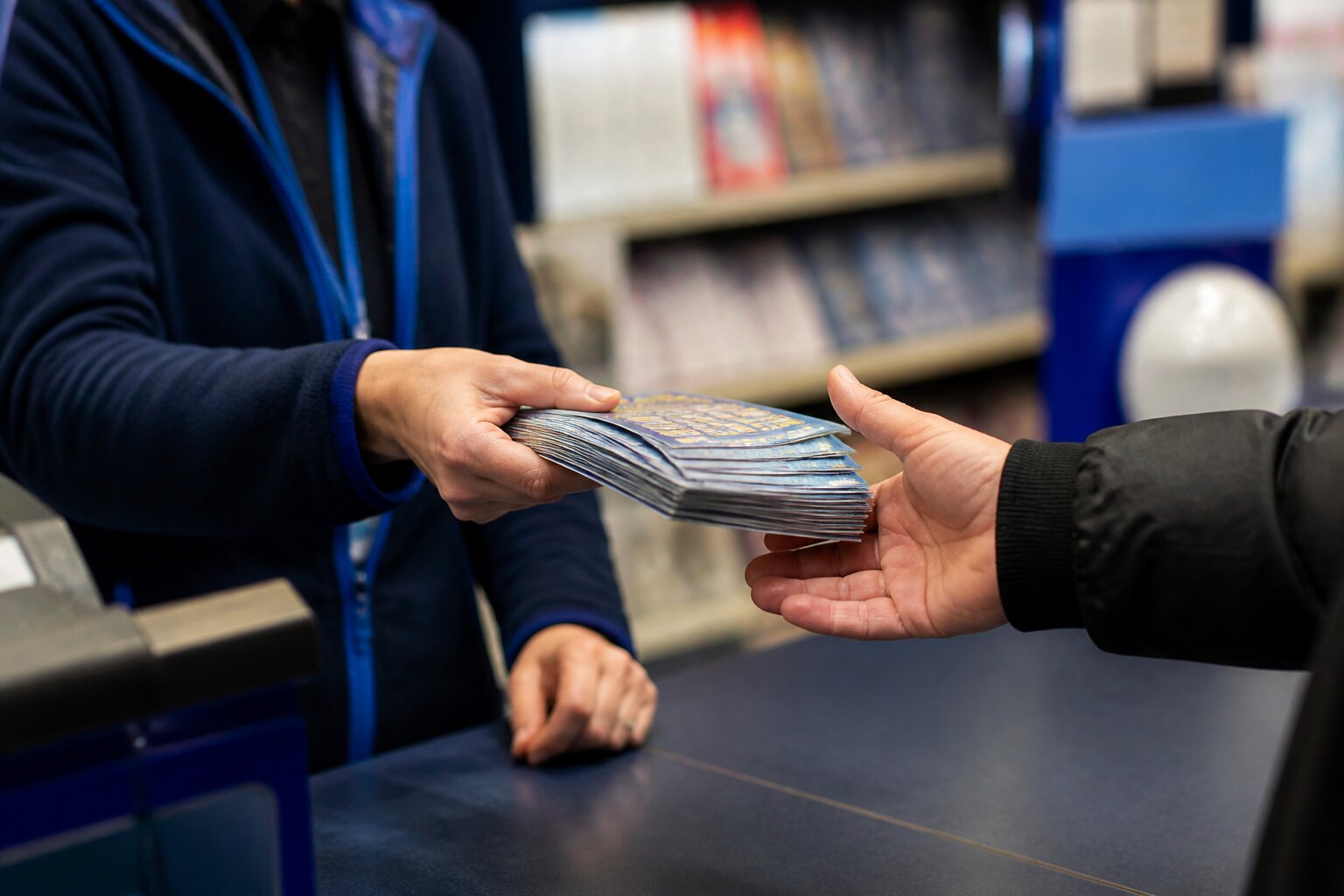
Ever wondered if there’s a limit to how many scratch cards you can buy in one go? With scratch cards sold at corner shops and supermarkets across the UK, it’s natural to ask whether you can grab a handful or even a whole tray in a single visit.
This guide explains the practical and legal boundaries around buying scratch cards, what retailers may enforce, how online purchases differ, and the issues that can arise with bulk buying. Read on to know what to expect when you buy.
What Are the Official Scratch Card Purchase Limits in the UK?
There is no national legal cap on the number of scratch cards you can buy in one transaction. The core legal requirement is the age limit: you must be at least 18 to purchase a scratch card. Retailers are required to check ID when they have reason to suspect a buyer may be underage, and they must not sell to anyone they reasonably believe is younger than 18.
Although the law does not set a maximum quantity, retailers and operators are governed by regulatory standards that expect them to protect customers and ensure fair play. That means staff may ask questions or take extra steps if a purchase appears unusually large, or refuse a sale where there are concerns for the customer’s welfare.
These practical safeguards aim to keep sales compliant and protect vulnerable people. Next, we’ll look at how shop-level policies can affect what you’re able to buy.
Are There Store Policies That Affect How Many Scratch Cards You Can Buy?
Yes. Many retailers set their own limits or guidelines for bulk purchases to ensure availability for all customers and to reduce the risk of harm. These store policies differ from one outlet to another: some may allow large purchases without fuss, while others place tighter caps or require manager approval.
Staff are trained to identify worrying patterns and may refuse a sale or ask the customer to come back later. Stock levels can also lead to temporary limits so other shoppers aren’t left without access. These measures reflect a retailer’s responsibility to the community as well as to regulatory standards.
Understanding that shops can set their own rules helps explain why experiences vary between outlets. The next section explains the legal framework that underpins those policies.
Legal Rules for Buying Scratch Cards in the UK
The sale of scratch cards is regulated to protect consumers. The principal legal rule is the minimum age requirement of 18, enforced through ID checks at the point of sale. Retailers are encouraged to ask for ID from anyone who looks under 25, which helps make these checks consistent and practical.
Regulators also require sellers to be alert to signs of problem gambling and to take appropriate action, which can include refusing a sale. These obligations apply across retail and online channels and set expectations for how operators should behave in order to protect customers.
With that legal context in mind, it’s useful to consider how online purchasing differs from in-person sales.
Can You Buy Scratch Cards Online and Are There Different Limits?
Online scratch card offerings operate within the same minimum age rules but use digital verification methods. Sites require players to provide proof of identity during registration, and they often run checks before the first purchase to confirm age and eligibility.
Online platforms typically use stricter spending controls and allow or enforce deposit and play limits, as well as options for self-exclusion. These tools are part of a broader approach to reduce the risk of harm by making it easier to set boundaries on spending and access. Where high-volume play is possible, operators may monitor activity more closely and intervene if necessary.
Knowing these online safeguards can help set expectations for how bulk purchases are handled on a screen rather than at a counter. Moving on, we’ll examine why retailers implement purchase limits in the first place.
Why Do Retailers Set Purchase Limits?
Retailers set limits to balance access, customer protection, and good store practice. Limiting bulk purchases helps ensure other customers can buy cards, prevents rapid depletion of stock, and gives staff an opportunity to identify and respond to concerning behaviour. It also helps protect limited time promotions and special offers so they reach a wider range of shoppers rather than being taken by a few buyers.
These policies reflect an obligation to maintain safe and lawful sales. By intervening when purchases look excessive, sellers aim to reduce potential harms, deter resale and fraud, and demonstrate a duty of care to their customers and community. Staff training and clear store rules support consistent decision making and help retailers comply with legal and regulatory requirements.
Understanding those motivations makes the next section on possible complications when buying large quantities more straightforward. Knowing why limits exist makes it easier to see how they protect fairness and support responsible retailing across the community.
Potential Issues When Buying Large Quantities of Scratch Cards
Attempting to buy a large number of scratch cards can trigger additional checks or lead to a refusal. Retailers follow company policies and regulatory guidance when deciding how to proceed with unusual purchases, and they may apply extra scrutiny to protect customers. These checks help ensure sales comply with legal requirements and that staff are acting consistently.
Staff receive training on recognising situations that may require further questions or intervention, such as when a purchase appears out of the ordinary for that customer or location. Where staff have concerns, they may ask questions about the intended use of the tickets, delay the sale while they seek manager approval, or politely refuse to complete the transaction. Such steps safeguard both customers and staff and reduce the risk of unlawful or harmful activity.
Age and ID Requirements
If a customer appears under 25, staff are expected to ask for valid ID before completing the sale. This practice keeps underage gambling out of reach and helps make compliance consistent across different outlets. Acceptable forms of identification are usually laid out in company policy and include items that clearly confirm the customer’s age.
Asking for ID is a routine part of responsible retailing. Where a buyer cannot provide acceptable identification, staff must not proceed with the sale. This protects the business from regulatory breaches and helps ensure that gambling products are only sold to those of legal age.
Potential for Refusal of Sale
Staff can decline to sell scratch cards if they reasonably suspect the purchase could cause harm or indicate problem gambling. Such refusals are part of retailers’ responsibility to follow regulatory expectations and protect vulnerable individuals. Decisions to refuse a sale are expected to be made sensitively and based on observable behaviours or other clear indicators of risk.
When a sale is refused, staff may offer information about support services or explain the reason for the decision, depending on company guidance. Records of refusals may be kept in line with company procedures to help monitor patterns and support responsible retailing. These precautions ensure purchases remain lawful and are conducted with regard for customer welfare.
Next, some persistent misconceptions about bulk buying are addressed.
Common Myths About Buying Scratch Cards in Bulk
A common misunderstanding is that buying many scratch cards at once changes the likelihood of a prize. Each game has fixed odds published in its terms and conditions; outcomes are independently determined and governed by the game’s design rather than by how many cards a single buyer purchases.
Another myth is that buying in bulk allows someone to bypass shop rules or legal checks. In practice, the same age verification and retailer discretion apply regardless of quantity. Large purchases will still be subject to whatever safeguards the store or operator has in place.
Clearing up these myths helps set realistic expectations, and the final section summarises the essentials to remember when buying scratch cards.
Key Takeaways for Scratch Card Buyers in the UK
The most important points to remember are straightforward. You must be 18 or older to buy scratch cards, and retailers may ask for ID from anyone who appears under 25. There is no nationwide legal limit on the number of cards in one purchase, but individual shops and online operators often set their own controls to ensure fair access and protect customers.
Online purchases typically involve stricter verification and built-in spending controls, while in-person sales may be subject to stock limits or manager approval for unusually large orders. Retailers and operators are expected to act if a purchase suggests someone might be at risk, including refusing a sale where appropriate.
Keep these rules in mind next time you buy scratch cards so the experience stays safe and straightforward.
**The information provided in this blog is intended for educational purposes and should not be construed as betting advice or a guarantee of success. Always gamble responsibly.