Ever rushed to your local shop only to find you’re too late to buy a scratch card or cash in a win? That mix of irritation and missed opportunity is familiar to lots of people.
Knowing when scratch cards are sold and pay out saves time and stress. Opening hours vary, and there are rules and practical limits that affect when sales and payouts can happen.
Read on for clear, practical guidance so you can plan visits with confidence and avoid wasted trips.
What Time Do Shops Generally Stop Selling Scratch Cards?
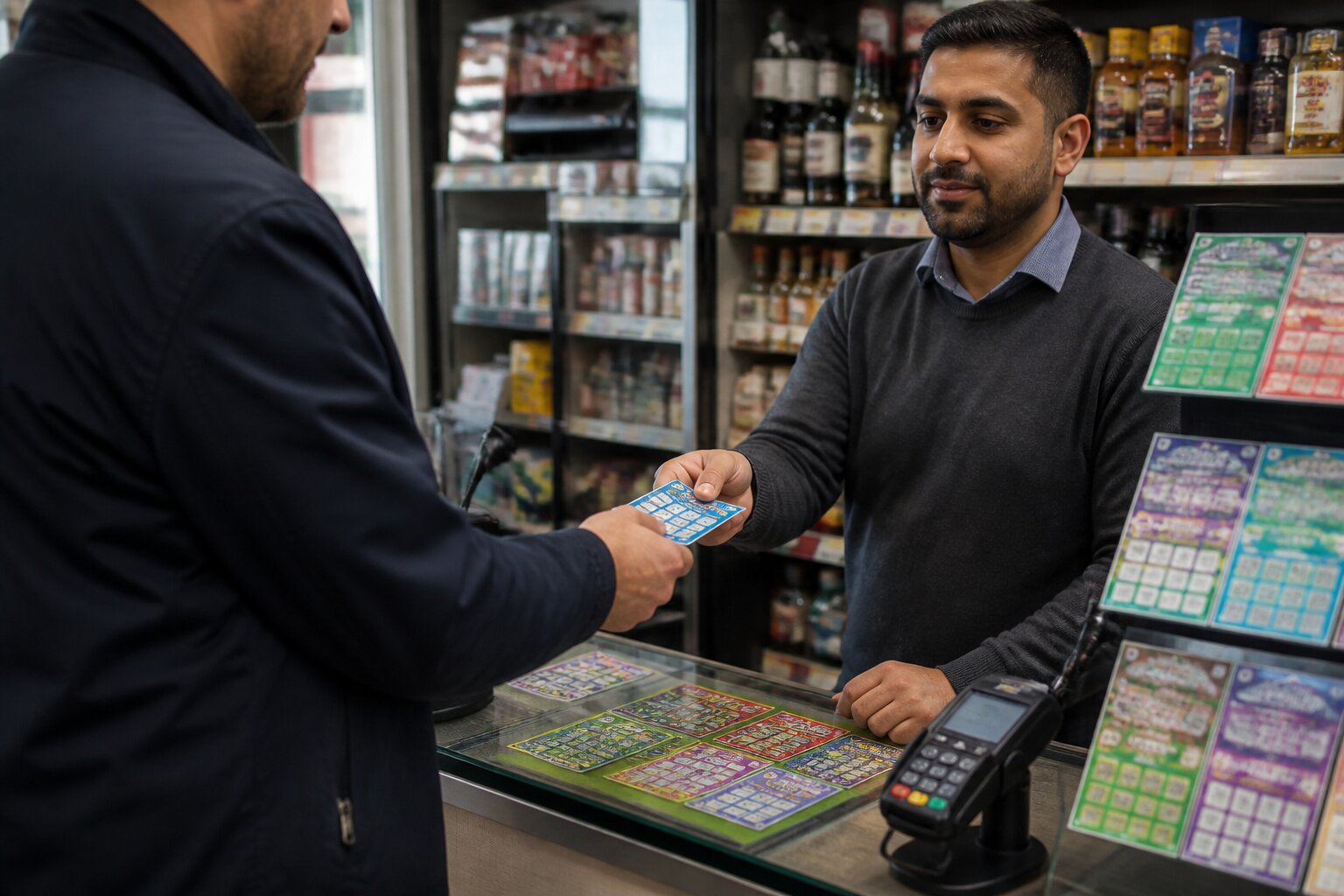
In most cases, scratch cards are sold while the shop is open, which means sales stop when the tills close for the day. For many convenience stores and supermarkets, tills typically close between 10pm and 11pm, but smaller local shops often shut earlier, commonly around 8pm or 9pm.
Some larger stores that operate around the clock still control their lottery terminals separately. Their ticket machines may close before the shop itself does, so being inside a 24-hour supermarket does not always guarantee you can buy a card late at night.
Because opening times and terminal availability differ by retailer and location, a quick call to your local shop is the simplest way to be sure if you need to visit late.
Are There Legal Restrictions On Selling Scratch Cards In The UK?
Selling scratch cards is tightly regulated to protect players and the public. One key rule is age control: you must be 18 or over to buy or play. Retailers are required to check ID if the buyer appears underage, and selling to someone under 18 is an offence.
Retailers also carry out checks for higher-value transactions. For example, claims involving significant payouts can trigger identity verification and anti-money-laundering procedures. These checks are routine and aim to safeguard both the customer and the business.
Retailers are inspected to ensure they follow these regulations and operate fairly. These protections are part of how the system works, and they affect what can happen in-store at different times.
Do Shops Cash Scratch Card Wins After Closing Time?
Claims must be made while the shop is open. Closed tills mean shops cannot process payouts, so you cannot cash a winning ticket until the store reopens.
This applies regardless of the retailer’s size. Staff cannot access the till float or authorise payouts once the shop is closed, and there is no safe, official way for them to pay out after hours. If you find a win after closing, take care to keep the ticket safe and undamaged until you can return.
If you find a win after closing, your practical options are:
- Wait until the shop next opens and present the ticket in person.
- Follow the official claims service for larger prizes, which is explained later in the article.
To avoid that situation, check opening hours before you go, especially if you suspect a ticket might hold a sizeable prize. If you are unsure about a store’s hours, call ahead or look up the retailer’s published times to save yourself a trip.
What Limits Do Shops Have On Payout Amounts?
Retailers are limited in how much cash they can hand over at the till. Many shops will pay up to around £100, while some larger stores may offer higher limits, often up to about £500. Policies do vary, so the exact amount depends on the individual retailer.
If a ticket’s prize exceeds the shop’s cash limit, the retailer cannot pay it and will direct you to the lottery operator’s claims service. Large payouts are handled offsite for security and to meet regulatory and anti-money-laundering requirements.
You’ll find the specific claim instructions on the back of your scratch card or on the operator’s website. Keep your ticket safe and check those details promptly if you think you have a higher-value win.
How Shops Verify Scratch Card Wins Before Paying Out
Before a payout, the shop will verify the ticket’s authenticity and value. This commonly involves scanning the ticket’s barcode at the till, which confirms whether the ticket is a valid winner and the amount due.
For higher-value prizes or when a barcode is damaged, additional checks may be required. Staff may ask for identification and a claim form for record-keeping and to meet regulatory obligations. If a ticket cannot be processed in-store, the retailer will advise contacting the lottery operator for further verification.
These procedures protect both players and retailers by ensuring payouts are lawful and properly recorded.
What To Do If A Shop Refuses To Cash Your Scratch Card?
If a retailer is unable or unwilling to pay a valid ticket, start by asking them to explain the reason. Common causes include exceeding the shop’s payout limit, issues with the ticket’s barcode, or being unable to complete required identity checks.
If the ticket is genuine but the shop cannot pay, the lottery operator provides an alternative claims route. The operator handles larger or disputed claims by post or at a regional claims centre and will explain what documents or forms are needed.
If you believe the retailer has acted unfairly, use the shop’s complaints procedure or contact the operator to register a formal complaint. Keep the ticket and any receipts safe and make a clear note of what happened, including names, dates and the store location. These records help the operator or an ombudsman review the case and resolve it efficiently.
Keep in mind these rules and checks exist to make sure payouts are secure and correctly managed. For more on how much shops can pay out, see Lottery Retailer Payout Limits: How Much Can Shops Pay ...
**The information provided in this blog is intended for educational purposes and should not be construed as betting advice or a guarantee of success. Always gamble responsibly.