
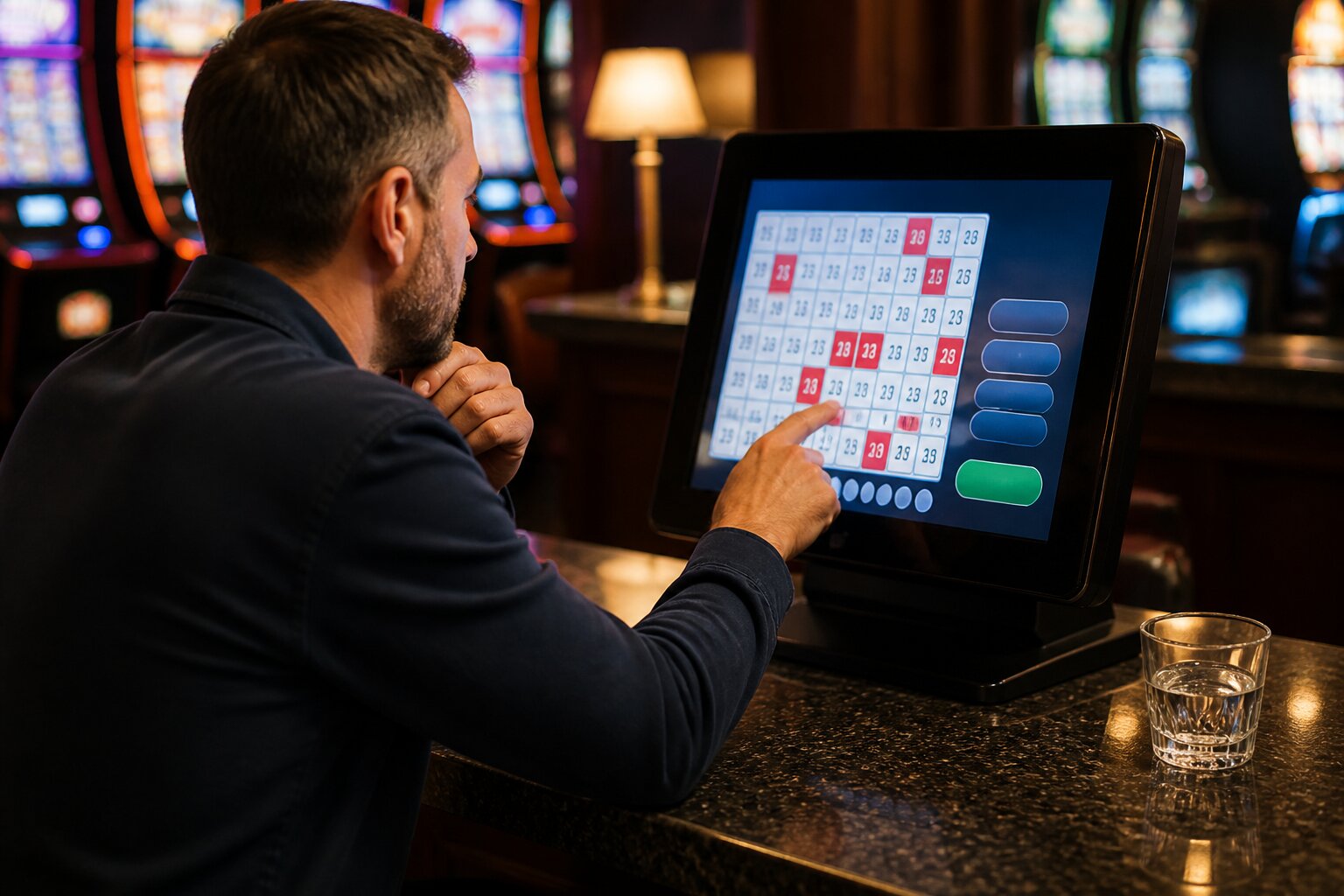
Keno is a straightforward numbers game that offers the possibility of significant payouts from a single round. It’s natural to wonder whether what happens behind the scenes can be trusted.
This article explains how keno draws are produced, what regulatory safeguards exist in the UK, and how you can confirm a game is legitimate before you play. Read on to get a clear picture of how keno is run and why regulated providers are considered reliable.
What Is Keno And How Does It Work?
Keno is a lottery-style game with simple rules and no skill required. Players choose numbers from a pool—commonly 1 to 80 on a typical card—and pick a set amount of numbers per round, often between 1 and 10 depending on the version. Each round then produces a set of winning numbers; matching some of them produces a payout that varies with how many numbers were chosen and how many matches were made.
Every draw is independent, meaning outcomes do not influence one another. The process of selecting winning numbers differs by environment: online versions use software to generate results, while in-person games rely on physical draws or machines. Both formats are set up so the selection is random and reproducible under testing, which is the key point that follows into how numbers are drawn and verified.
How Are Keno Numbers Drawn?
Online keno uses a Random Number Generator, or RNG, a computer algorithm that produces unpredictable results. Legitimate RNGs are assessed to ensure they meet statistical standards for randomness and that their outputs cannot be predicted or altered.
Physical keno draws use mechanical methods such as ball machines that are observed and audited to confirm the draw process operates without interference. In both cases, independent testing bodies examine the systems and statistical outputs to verify that the draws behave as expected over time.
Regulatory bodies require that these checks are performed regularly, which is why certified RNGs and audited physical draws are standard practice at reputable operators.
Is Keno Fair In UK Casinos?
Keno offered by regulated UK operators is subject to strict standards covering fairness, transparency and player protection. The UK Gambling Commission sets technical and operational requirements, including the testing of RNGs and auditing of draw methods.
Where an operator complies with these requirements, games are checked both before launch and at intervals afterwards to ensure continued integrity. That oversight, combined with third-party testing, means you can be confident the mechanics behind keno are monitored and maintained to high standards.
If you want to be sure a particular site or venue meets these standards, the next section explains how to confirm that.
What Measures Ensure Keno Security?
Security covers both the technical fairness of the game and the protection of player data. Reputable operators implement strong encryption to safeguard personal and financial information and use secure servers and access controls to reduce the risk of unauthorised access.
Technical measures also include secure RNG implementations, tamper-evident systems for physical draws, and audit trails that allow independent bodies to verify the integrity of each game. Operators follow the technical standards set by regulators, and those standards are reinforced through periodic inspections and testing by external laboratories.
Taken together, these protections are designed to make both the game mechanics and the handling of player information resilient to manipulation and breaches.
Can Keno Be Manipulated?
At properly regulated sites and venues, manipulation is not a practical option. Certified RNGs and audited physical draws are examined for statistical anomalies and vulnerabilities, and operators face enforcement action if checks reveal non-compliance. That regulatory framework, plus outside testing, limits the scope for anyone to interfere with results.
Some players look for patterns or devise systems they hope will improve outcomes, but because draws are independently produced each time, no method can reliably change the underlying probabilities.
Common Myths About Rigging And Cheating
Below are a couple of frequently encountered misconceptions and the facts behind them.
-
Myth: Casinos secretly choose which numbers come up.
Truth: Independent testing of RNGs and audited procedures for physical draws are in place precisely to prevent such interference. -
Myth: Players can use systems or tools to increase their odds.
Truth: Each draw is independent and governed by the same probabilities, so there is no system that alters the statistical likelihood of any particular outcome.
These clarifications help separate reasonable questions about fairness from misunderstandings about how the game functions.
How Can Players Check The Legitimacy Of Keno Games?
You can confirm a provider’s legitimacy in a few straightforward ways. Look for the regulator’s licence information and a visible licence number on the operator’s site or at the venue. Many operators also publish details of their independent testing and provide links to certificates or reports from testing agencies.
Operator transparency is another good sign: clear terms and conditions, accessible information about game mechanics, and published audit histories show an organisation is willing to be held accountable. Where available, cross-checking the operator against the regulator’s public register gives an additional layer of assurance.
With that in mind, both online and in-person games follow comparable standards when provided by regulated operators.
Are Online Keno Games As Fair As In-Person Games?
Both formats are held to similar regulatory expectations and oversight. Licensed operators must follow rules set by their regulator, and independent testing bodies inspect the mechanisms used to produce results. This helps ensure that outcomes are random and that games pay out according to their stated rules.
The mechanics differ but the scrutiny is comparable. For example:
- Online keno depends on certified random number generators, software audits and secure systems that protect against tampering.
- In-person draws rely on physical equipment, manual procedures, surveillance and observational checks at the time of the draw.
Regulators and testing bodies apply statistical and procedural tests appropriate to each format to ensure the selection method behaves as required. Testing can include long-run statistical analysis, source-code review, hardware checks and on-site inspections, and operators are typically required to keep records of those tests.
When operators meet those standards, neither format has a built-in advantage over the other in terms of fairness. Any practical differences are usually about convenience, presentation and the user experience rather than the integrity of the draw itself. Always play with licensed operators and check for proof of independent testing if you want extra reassurance.
How To Spot Regulated Keno Providers In The UK
Finding a regulated provider is straightforward once you know the signs to look for. Licence information and a licence number are usually displayed clearly on the operator’s website, often in the footer or on an About or Legal page. Many operators also show the regulator’s logo, which you can use to cross-check the licence on the regulator’s public register.
Operator sites that publish evidence of independent checks make it easier to confirm fair play. Look for:
- testing certificates from recognised labs
- audit results for games and random number generators
- links to technical reports or verification statements
Transparent terms and accessible customer support also indicate an operator that takes compliance seriously. Clear information about deposit and withdrawal rules, payout rates and dispute procedures shows the operator is open about how the service works. Readily available contact details, a published complaints process and responsive support channels are good signs that issues will be handled properly.
Taken together, these signals help you identify providers that follow the required safeguards for both game integrity and player protection. Also check for visible responsible gambling tools and links to support organisations, which are part of a regulator-compliant approach to player welfare.
Conclusion: The Truth About Keno Fairness
Keno relies on randomness, but when offered by properly regulated and tested providers, that randomness is produced and overseen in ways designed to ensure fairness and security. Independent testing, regulatory oversight and technical safeguards work together to reduce the risk of manipulation and to protect player data.
Choose operators that publish licence and testing information, and use those checks to confirm a provider’s credentials before you play. If you ever need support or guidance, there are independent organisations that can help. Enjoy keno with confidence, knowing the systems behind the game are subject to clear rules and routine scrutiny.
**The information provided in this blog is intended for educational purposes and should not be construed as betting advice or a guarantee of success. Always gamble responsibly.