
Picture the swinging sixties: mini skirts, The Beatles on the radio, and a secret air of thrill in the night as people caught wind of something entirely new, Britain’s first ever legal casino. Was it the glamorous affair we now like to imagine, or did reality look rather different once the doors finally swung open?
Plenty of myths swirl around the birth of regulated gambling in the UK. Tales of tuxedos, champagne, and the rich and famous rubbing shoulders paint a Hollywood picture, but the truth is more nuanced. For many, the idea of a legal casino arriving in Britain seemed almost radical, since gambling had long been confined to the shadows or to private club rooms.
When the first official, government-approved casino opened its doors in 1961, it did more than change the law; it shifted public attitudes and set out standards for how gambling should operate going forward. Next, we’ll look at what prompted that shift and why reform felt necessary at the time.
What Sparked the Opening of the UK’s First Legal Casino?
The roots of Britain’s first legal casino lie in a particular post-war moment. By the late 1950s, gambling was common but fragmented: unregulated betting shops, private card games, and informal clubs left players exposed and allowed unscrupulous operators to thrive.
Public concern was growing about criminal activity associated with underground gambling. At the same time, social changes meant people were more open to new leisure activities and to clearer rules that would protect consumers.
The Betting and Gaming Act of 1960 brought gambling into a regulated framework. It aimed to eliminate illegal dens by creating licensing requirements, oversight of operators, and financial obligations to the Treasury. Casinos could operate lawfully only if they met strict conditions and submitted to official scrutiny.
Those new rules paved the way for the first licensed venue in 1961, an event that marked a deliberate move from hidden games to licensed, monitored establishments. That leads naturally into the myths that sprang up around the casino’s debut.
Common Myths Surrounding the Casino’s Debut
When Britain’s first legal casino opened, stories spread quickly and have persisted over decades. Here we separate the more common rumours from what historical records actually show.
Was It Really a Magnet for Criminals?
At the time, fears about gangsters were understandable given the links between illegal gambling and organised crime. The 1960 legislation, however, was designed specifically to change that picture. Licensing, police checks, and reporting obligations were introduced to block criminal influence.
Local authorities and law enforcement kept a close watch. Entry records and background checks were routine, and regulators could refuse licences to those with dubious associations. While no system eliminates every risk, the licensed environment reduced the criminal element compared with the previous unregulated scene.
Is It True Only the Wealthy Attended?
Another persistent myth is that casinos were exclusive playgrounds for the wealthy and famous. High-profile venues did draw well-to-do visitors, but many licensed casinos opened their doors to a much broader public. Minimum stakes and membership fees tended to be modest, and contemporary reports describe ordinary people visiting out of curiosity.
Games were chosen to suit a range of players, from newcomers to more experienced gamblers. Rather than being solely the preserve of the elite, licensed casinos helped normalise gambling as a form of adult social entertainment in a changing society.
With those myths addressed, the next section explores how legalisation actually reshaped gambling practice and protection for players.
How Legalisation Changed Gambling in the UK
Bringing gambling into the regulatory fold altered both how and where people placed bets, and what protections they could expect. The Betting and Gaming Act introduced clear operating standards, while local authorities were given power to police outlets more effectively.
Licensed venues had to keep records, enforce age restrictions, and apply for permissions from councils. These measures made it easier for officials to close non-compliant operations and helped reduce the influence of illegal operators.
Legal development continued over the decades, culminating in more comprehensive regulation that addressed new technologies and market structures. The Gambling Act 2005 and the establishment of a national regulator formalised requirements on fairness, advertising standards, anti-money laundering controls, and obligations to identify and help those who might be harmed by gambling.
Operator duties evolved from basic membership checks to include a wider set of safeguards such as clear information on odds, self-exclusion schemes, and tools to spot problematic behaviour. These changes shifted gambling away from secrecy and towards an environment where consumer protection and transparency mattered. Next, we’ll consider how communities felt the impact of a licensed casino in their midst.
Were There Immediate Impacts on Local Communities?
The arrival of a licensed casino produced tangible effects for the towns and neighbourhoods that hosted it. Job creation was one of the most immediate benefits, with roles for croupiers, bar staff, security, and administrative personnel offering new employment opportunities.
Local businesses also often noticed increased activity. Restaurants, taxis, and accommodation providers could pick up extra trade from visitors to the casino, turning the venue into a modest economic anchor for the area.
Not everyone welcomed these changes without concern. Community leaders and residents raised questions about the social consequences of easier access to gambling, prompting closer cooperation between operators and local authorities to monitor any problems. Measures such as age verification, limits on promotion near sensitive sites, and support signposting were introduced to address those worries.
The balance between economic benefit and social responsibility became a recurring theme, and it influenced how licensed venues operated day to day. That balance is evident in descriptions of the casino experience itself.
Inside the First Casino: What Was It Actually Like?
Entering Britain’s first licensed casino in the early 1960s revealed an environment that was restrained rather than ostentatious. The reception area emphasised membership controls and simple formality; dress codes were enforced, but this was more about decorum than spectacle.
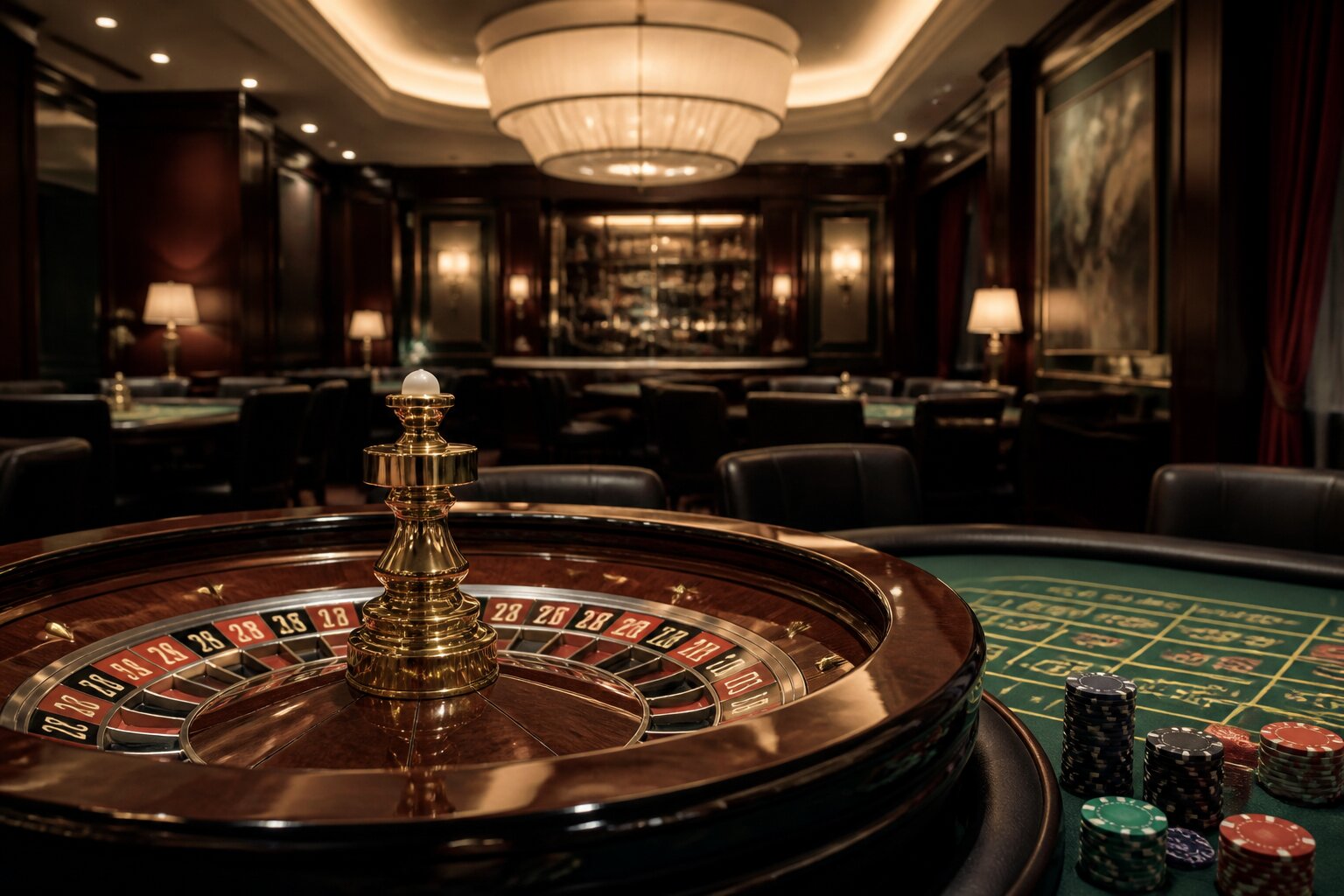
On the floor, classic table games predominated. Roulette was prominent, with roulette tables and green baize surfaces; baccarat in the form of chemin de fer and blackjack were also offered. Electronic gaming was not part of that first era, and slot-style devices were not yet permitted in the same way modern machines are.
The tone was social and measured; people chatted as they played and staff maintained a firm but courteous oversight of proceedings. Drinks were available but not promoted in a way that encouraged excess, reflecting operators’ obligations to maintain order and adhere to licensing conditions.
Security and clear signage about rules and odds were visible, reinforcing that the venue was organised around regulations and accountability rather than unstructured leisure. The next section examines how this reality compared with media portrayals at the time.
Separating Fact from Fiction: Media Portrayal vs Reality
The media reaction to the first legal casino mixed sensational headlines with practical reportage. Some newspapers and television features foregrounded glamour and scandal, suggesting a sudden flood of vice or a new social elite.
Contemporary records and later studies, however, paint a steadier picture. Police reports from the period do not show a surge in crime linked to licensed casinos, and licensing oversight meant serious incidents remained uncommon.
Coverage that emphasised exclusive membership overlooked the more varied mix of patrons who actually attended. Surveys and membership lists point to a customer base that included office workers, retirees, and others drawn by novelty as much as status.
The popular narrative of dramatic, life-changing wins also misrepresents how most people engaged with gambling: typically as a social pastime with modest stakes rather than a route to major wealth. With a clearer sense of what the casinos were like and how the press shaped perceptions, it becomes easier to see the long-term influence of those first regulated venues.
How Has the Legacy of the First Legal Casino Shaped Today’s Industry?
The first legal casino laid foundations that shaped the wider development of gambling regulation and industry practice in Britain. Early emphasis on licensing, reporting, and oversight set expectations that later laws and regulators would refine.
Subsequent legislation adapted to new technologies and consumer habits, guiding the growth of high street betting, larger casino venues, and ultimately regulated online services. Centralised regulation introduced consistent standards for fairness, advertising, and financial controls across the market.
Protections for people at risk of harm expanded in scope and sophistication. Tools that began as simple membership checks evolved into a system of identification, exclusion options, and account controls designed to prevent harm and help those who need support. Regulatory obligations require operators to act when concerns are raised about a customer’s behaviour, and to provide clear information about help that is available.
That legacy is a steady throughline from a single licensed venue to a full regulatory ecosystem, balancing accessible entertainment with oversight and safeguards. The last section draws these threads together.
The Bottom Line: Debunking the Myths of UK Casino Beginnings
The story of Britain’s first legal casino is less sensational than some accounts suggest. Rather than a den of crime or an exclusive playground for the wealthy, the venue reflected a deliberate attempt to bring gambling under rules that protected visitors and communities.
Strict licensing and police oversight reduced organised criminal influence, while accessible membership and modest stakes meant the clientele was socially mixed. The environment on the casino floor prioritised order, clear information, and compliance with regulations, not extravagance.
Those early choices shaped modern standards: transparency, consumer protections, and regulatory enforcement remain central to the industry. If you want to explore licensed venues today, our site lists options that meet those standards and explains the safeguards operators must provide. The history shows that when gambling is properly regulated, it can be an organised form of entertainment that operates within clear legal and social boundaries.
**The information provided in this blog is intended for educational purposes and should not be construed as betting advice or a guarantee of success. Always gamble responsibly.